
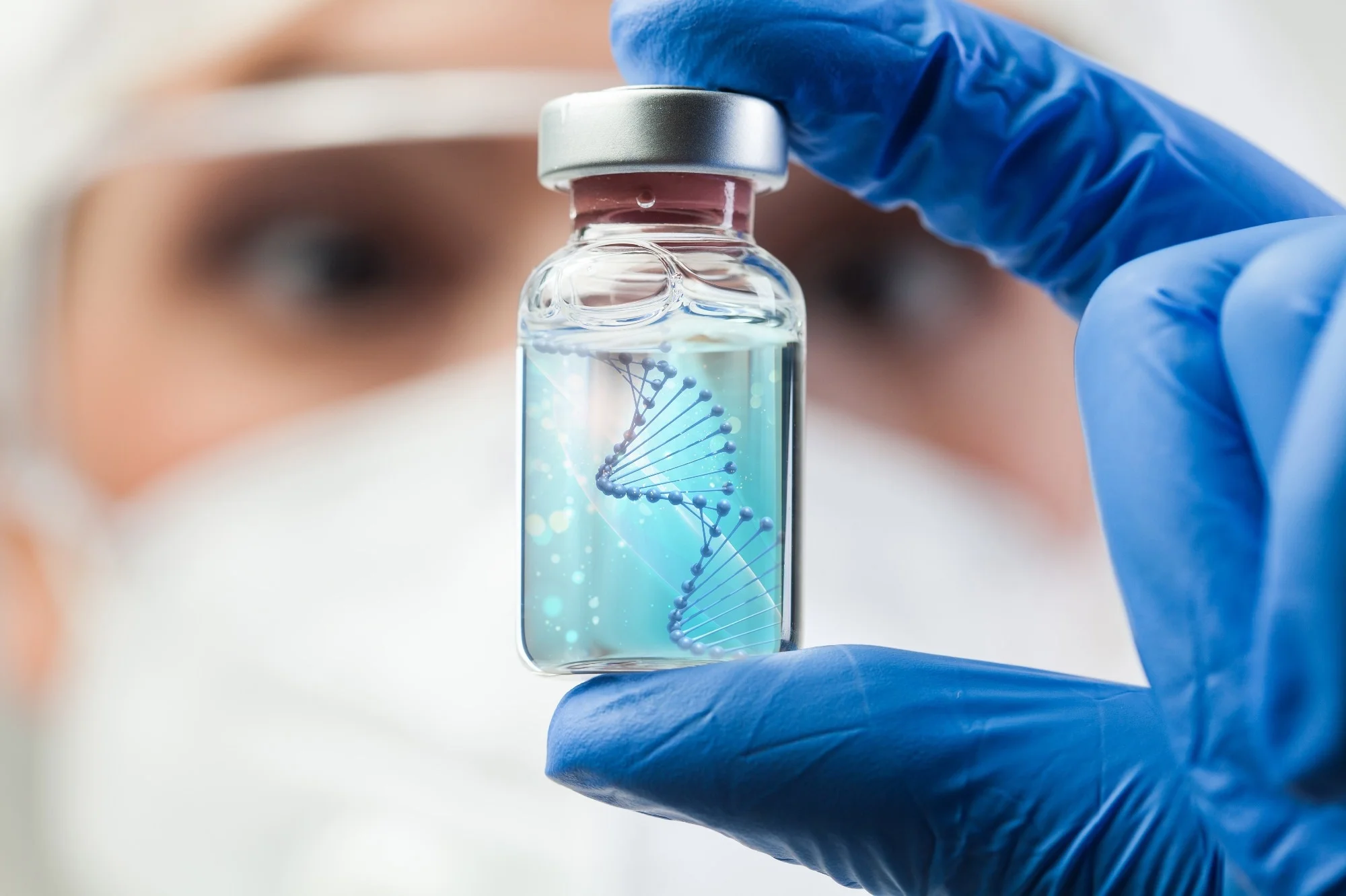

The Importance of Accuracy in Legal and Forensic DNA Testing

Legal and forensic DNA testing plays a vital role in the justice system. From paternity cases to criminal investigations, ensuring the accuracy of DNA results is crucial for fair outcomes. Learn how these tests are used in courtrooms and why their reliability is essential for legal processes.

Introduction:

Legal and forensic DNA testing is a powerful tool that has revolutionized the criminal justice system. DNA evidence has become a key component in resolving paternity cases, criminal investigations, and immigration disputes. However, the accuracy and reliability of these tests are paramount, as they directly impact legal decisions and outcomes. In this article, we’ll discuss the importance of accurate DNA testing in the courtroom and how it is used to uphold justice.

Legal DNA Testing: Establishing Paternity and Immigration Cases

Legal DNA tests are commonly used to establish paternity in child custody and support cases. Unlike standard at-home tests, legal DNA tests must adhere to strict chain-of-custody procedures to ensure that the results are admissible in court. Immigration cases also rely on DNA testing to prove familial relationships when documentation is insufficient.

Forensic DNA Testing: Solving Crimes

Forensic DNA testing is instrumental in solving criminal cases. By comparing DNA samples from crime scenes with known suspects, investigators can confirm or rule out a person’s involvement in a crime. DNA evidence has helped exonerate wrongfully convicted individuals and brought justice to victims by identifying perpetrators who were previously unknown.

Accuracy is Essential for Justice

The accuracy of legal and forensic DNA testing is crucial. Inaccurate results could lead to wrongful convictions or the denial of rightful claims. That’s why forensic laboratories must follow stringent protocols, including validation, quality control, and proficiency testing. The credibility of DNA evidence in the courtroom depends on these rigorous standards.

Conclusion:

Legal and forensic DNA testing is a cornerstone of the justice system. Its accuracy ensures that the right decisions are made in paternity cases, criminal investigations, and immigration disputes. As the technology continues to evolve, maintaining the highest standards of reliability is essential for delivering fair outcomes in the courtroom.

Share:
More Posts

DNA Testing for Ancestry and Its Role in Future Genetic Research

DNA testing for ancestry is not only helping individuals trace their roots but also contributing to groundbreaking genetic research. Discover how population genetics, personalized medicine, and future healthcare innovations are being shaped by DNA testing as we explore new frontiers in genetic science.
How DNA Testing is Transforming Preventive Healthcare

DNA testing is shifting the healthcare landscape by allowing individuals to detect genetic risks early and take preventive actions. Learn how personalized medicine is improving patient care and empowering people to make proactive health decisions based on their genetic data.

The Rise of Consumer Genomics: A Complete Guide to At-Home DNA Testing Kits

At-home DNA testing kits are revolutionizing consumer genomics by offering easy access to ancestry and health insights. From tracing family roots to identifying genetic health risks, these affordable and accessible kits empower individuals to learn more about their genetic makeup, all from the comfort of home. Learn the benefits, limitations, and privacy considerations.

Hello world!

Welcome to WordPress. This is your first post. Edit or delete it, then start writing!