Introduction:
In recent years, the rapid growth of consumer genomics has transformed how individuals approach personal health and ancestry exploration. At-home DNA testing kits have made genetic testing more affordable and accessible than ever before, offering a gateway to understanding not only where we come from but also our potential health risks. In this article, we’ll explore the rise of at-home DNA testing kits, how they work, their benefits, and important factors to consider before embarking on your genetic journey.
What is Consumer Genomics?
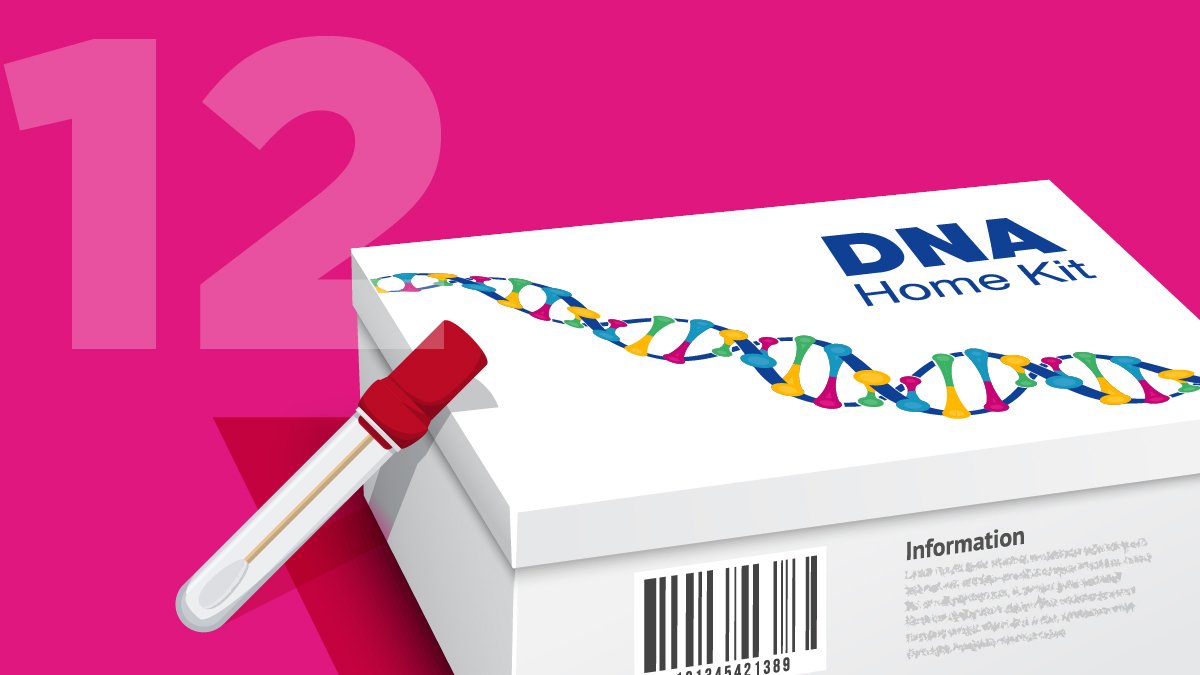
Consumer genomics refers to the direct-to-consumer (DTC) market for genetic testing. Unlike traditional genetic tests that require a healthcare professional, consumer genomics allows individuals to order DNA tests online, collect a saliva or cheek swab sample at home, and receive results through an online portal or app. This accessibility has led to a surge in the popularity of DNA testing kits for personal use.
Why Are At-Home DNA Testing Kits So Popular?
There are several reasons why at-home DNA testing kits have become a growing trend:
Affordability and Accessibility
Previously, DNA testing was expensive and limited to medical facilities. Today, popular brands like 23andMe, AncestryDNA, and MyHeritage offer affordable kits that anyone can purchase online. This has opened the door for people worldwide to explore their genetic makeup.
Ancestry Discovery
Many consumers use DNA testing to learn more about their family heritage. The tests provide detailed ancestry breakdowns, sometimes tracing lineage back hundreds of years, connecting users with relatives they never knew existed.
Personalized Health Insights
In addition to ancestry, some tests offer health-related reports, such as predisposition to certain genetic conditions or traits like lactose intolerance. This has become particularly appealing for those interested in personalized medicine and preventive healthcare.
How Do At-Home DNA Testing Kits Work?
Using at-home DNA testing kits is a simple and straightforward process:
Order Your Kit
You can purchase a DNA testing kit directly from a provider’s website or through retail platforms.
Collect Your Sample
The kit includes instructions for collecting a saliva sample or a cheek swab. Most tests only require a small amount of saliva or a quick swab on the inside of your cheek.
Send It Back
Once you’ve collected your sample, you send it back to the lab in a prepaid envelope.
Receive Your Results
In a few weeks, you’ll be notified by email that your results are ready. Log into your account on the provider’s website to explore your ancestry and health reports.
The Benefits of At-Home DNA Testing Kits
While at-home DNA testing is a fun way to explore your heritage, it also provides significant health benefits. Here are the key advantages:
Ancestry Insights
At-home DNA tests can trace your ethnic background and potentially link you to unknown relatives. These insights can fill in the gaps in family history or provide a cultural connection to distant ancestors.
Health and Wellness Information
Some DNA kits offer information on genetic predispositions to certain diseases. For example, 23andMe provides reports on how your genes may impact your likelihood of developing conditions like diabetes or Alzheimer’s. While these results don’t guarantee a diagnosis, they can help you make proactive health choices.
Carrier Status for Inherited Conditions
For couples considering having children, DNA tests can indicate whether they are carriers of genetic conditions that could be passed on to their offspring. This knowledge can be essential for family planning and understanding the health of future generations.
What to Consider Before Using an At-Home DNA Testing Kit
Before diving into consumer genomics, there are a few considerations to keep in mind:
Privacy Concerns
DNA data is highly sensitive, and there have been debates about how companies handle this information. Be sure to read privacy policies and ensure the provider allows you to control who can access your genetic data.
Health Implications
The health information provided by DNA testing kits should not replace medical advice. Always consult a healthcare provider before making any significant lifestyle or treatment decisions based on your results.
Limitations of the Tests
While at-home DNA kits provide interesting insights, they are not as comprehensive or accurate as medical-grade tests. For example, they may not detect all genetic variants that could impact health. Keep expectations realistic and understand that further professional testing may be necessary for a complete genetic picture.
The Future of Consumer Genomics
The consumer genomics industry is expected to continue growing, with companies expanding their offerings beyond ancestry and basic health reports. Future innovations may include integration with electronic health records and more personalized insights based on your genetic profile. As the technology improves, DNA testing could play an even larger role in disease prevention and healthcare.
Conclusion:
At-home DNA testing kits have democratized access to genetic information, providing both fun and potentially life-saving insights. Whether you’re curious about your heritage or interested in understanding your genetic health risks, these kits offer a unique way to explore your DNA. However, it’s essential to approach your results with care, keeping privacy and limitations in mind.