
How DNA Testing is Transforming Preventive Healthcare

DNA testing is shifting the healthcare landscape by allowing individuals to detect genetic risks early and take preventive actions. Learn how personalized medicine is improving patient care and empowering people to make proactive health decisions based on their genetic data.

Introduction:

DNA testing is no longer just about tracing ancestry—it is rapidly becoming a critical tool in preventive healthcare. By analyzing an individual’s genetic makeup, healthcare providers can offer personalized insights into their health risks, allowing for early detection and prevention of various diseases. From cancer screenings to identifying heart disease risks, DNA testing is unlocking a future of personalized medicine. In this article, we’ll explore how DNA testing is transforming preventive healthcare and the benefits it brings to individuals and medical professionals alike.

The Role of DNA Testing in Preventive Healthcare

Preventive healthcare focuses on early detection and intervention to reduce the likelihood of diseases developing. DNA testing plays a pivotal role in this by identifying genetic predispositions to certain conditions. This allows individuals to take action before symptoms appear, improving their overall health and reducing medical costs.

Genetic Risk Factors and Early Detection

One of the key advantages of DNA testing is its ability to detect risk factors for hereditary conditions. For example, certain genetic mutations can increase the risk of cancers like breast, ovarian, or colon cancer. By identifying these mutations early, healthcare providers can recommend more frequent screenings or preventive measures, potentially saving lives.

Personalized Treatment Plans

DNA testing also enables the creation of personalized treatment plans. For individuals already diagnosed with a condition, genetic information can help doctors determine the most effective treatments. For example, pharmacogenomic testing assesses how a person’s genes affect their response to medications, allowing for tailored prescriptions that are more likely to work.

Empowering Proactive Health Decisions

Consumers can use DNA testing to make informed decisions about their health. If a test reveals a predisposition to conditions like diabetes, heart disease, or Alzheimer’s, individuals can adjust their lifestyle, diet, and exercise habits accordingly. This proactive approach can significantly reduce the risk of developing chronic illnesses.

Conclusion:

DNA testing is revolutionizing preventive healthcare by enabling early detection, personalized treatments, and empowering individuals to take control of their health. As genetic testing becomes more accessible, its role in shaping the future of healthcare will only grow, making prevention more effective than ever before.

Share:
More Posts

DNA Testing for Ancestry and Its Role in Future Genetic Research

DNA testing for ancestry is not only helping individuals trace their roots but also contributing to groundbreaking genetic research. Discover how population genetics, personalized medicine, and future healthcare innovations are being shaped by DNA testing as we explore new frontiers in genetic science.
The Importance of Accuracy in Legal and Forensic DNA Testing

Legal and forensic DNA testing plays a vital role in the justice system. From paternity cases to criminal investigations, ensuring the accuracy of DNA results is crucial for fair outcomes. Learn how these tests are used in courtrooms and why their reliability is essential for legal processes.

The Rise of Consumer Genomics: A Complete Guide to At-Home DNA Testing Kits

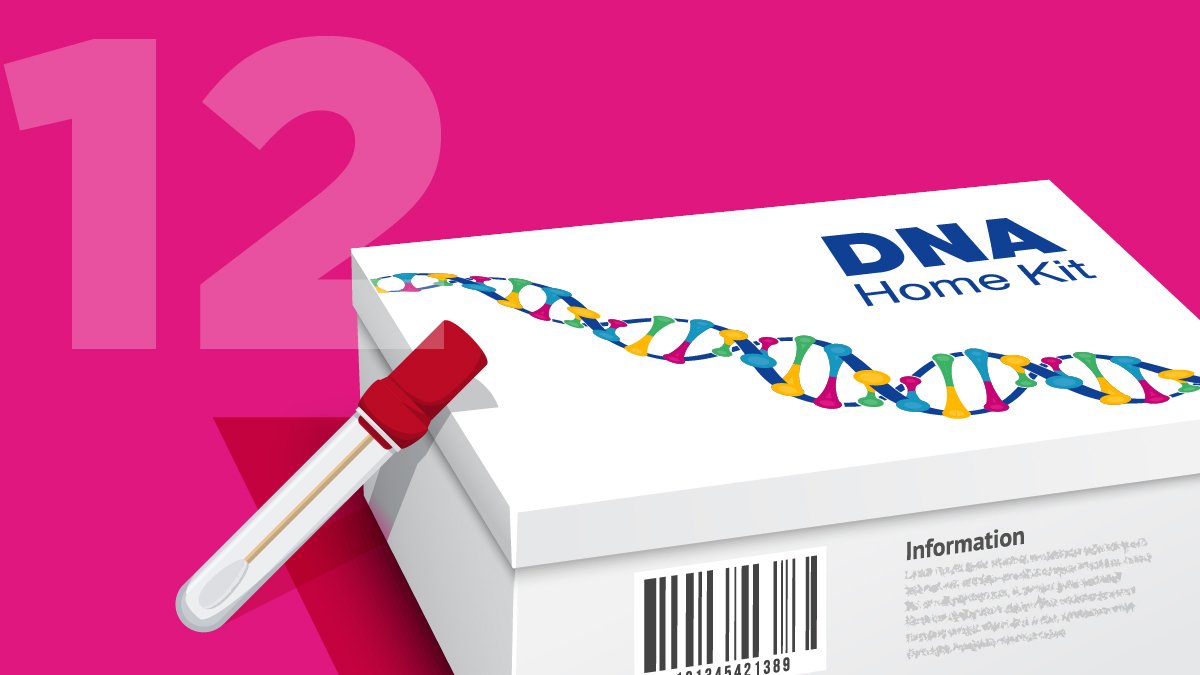
At-home DNA testing kits are revolutionizing consumer genomics by offering easy access to ancestry and health insights. From tracing family roots to identifying genetic health risks, these affordable and accessible kits empower individuals to learn more about their genetic makeup, all from the comfort of home. Learn the benefits, limitations, and privacy considerations.

Hello world!

Welcome to WordPress. This is your first post. Edit or delete it, then start writing!